

A 320 Megawatt-Hour Battery in Six Weeks
FlexGen commissioned SMT Energy's 160 MW / 320 MWh Houston IV battery in six weeks, cutting the original timeline threefold, as ERCOT set a record 91.1 GW peak load in July.
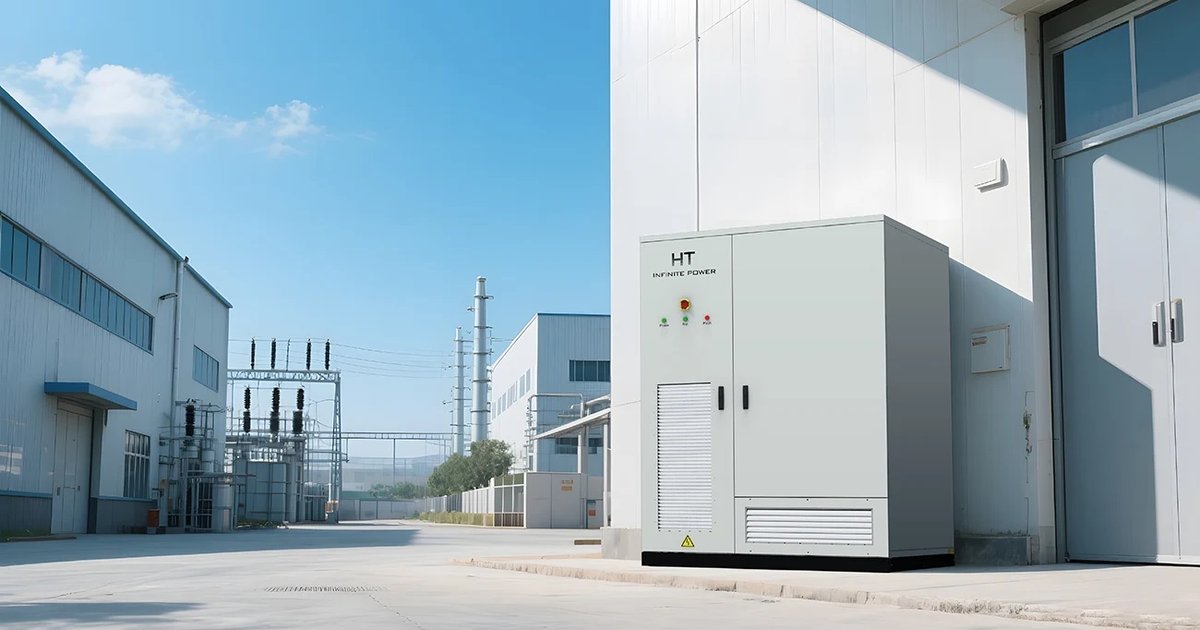
FlexGen has commissioned Houston IV, a 160 MW / 320 MWh battery energy storage system developed and owned by SMT Energy in Houston, Texas, in six weeks — described as cutting the original deployment timeline by a factor of three. Irby Construction Company provided EPC services. The project arrives as ERCOT recorded a new peak load of 91.1 GW on 22 July 2026, six percent above the previous record of 85.5 GW set on 10 August 2023; at that July peak the generation mix was 48 percent natural gas and 32 percent solar.
Six weeks for a two-hour, 160 megawatt asset is the number worth dwelling on, because commissioning has quietly become the binding constraint on grid storage rather than manufacturing or permitting. A battery plant is not one machine: it is hundreds of enclosures, each with its own battery management system, inverter, thermal management, fire detection and communications, and commissioning means bringing all of them into a single controllable system that the grid operator will accept. The work is overwhelmingly integration and testing — comms addressing, protection settings, controller tuning, grid code compliance testing, and the discovery of the units that arrived with a firmware mismatch.
What compresses that is standardisation and rehearsal rather than more people. An integrator that ships the same controller stack, the same communications architecture and the same test scripts across projects can parallelise; one that treats each site as bespoke cannot. The threefold improvement is a claim about repeatability, and repeatability is exactly what a market adding this much storage annually needs.
The ERCOT context explains the urgency. A 32 percent solar share at the summer peak means the system's steepest ramp now happens in the late afternoon as solar falls away while air conditioning load persists, and that ramp is precisely what two-hour batteries are built to serve. It also means the value of a storage asset is concentrated into a few hours of a few hundred days, which makes time-to-commission a direct revenue question: a plant that misses a summer waits a year for the conditions that pay for it. For anyone building or specifying storage, the lesson is that the schedule risk sits in integration and grid compliance testing, and that is where the contract, the spares and the commissioning resources should be concentrated.