

A Hundred and Fifteen TOPS in a SO-DIMM
DFRobot's LattePanda Mu Ultra puts Intel's Lunar Lake Core Ultra 5 226V or 7 256V with 16 GB of LPDDR5 onto a 69.6 by 60 mm SO-DIMM module, at $599 and $699.
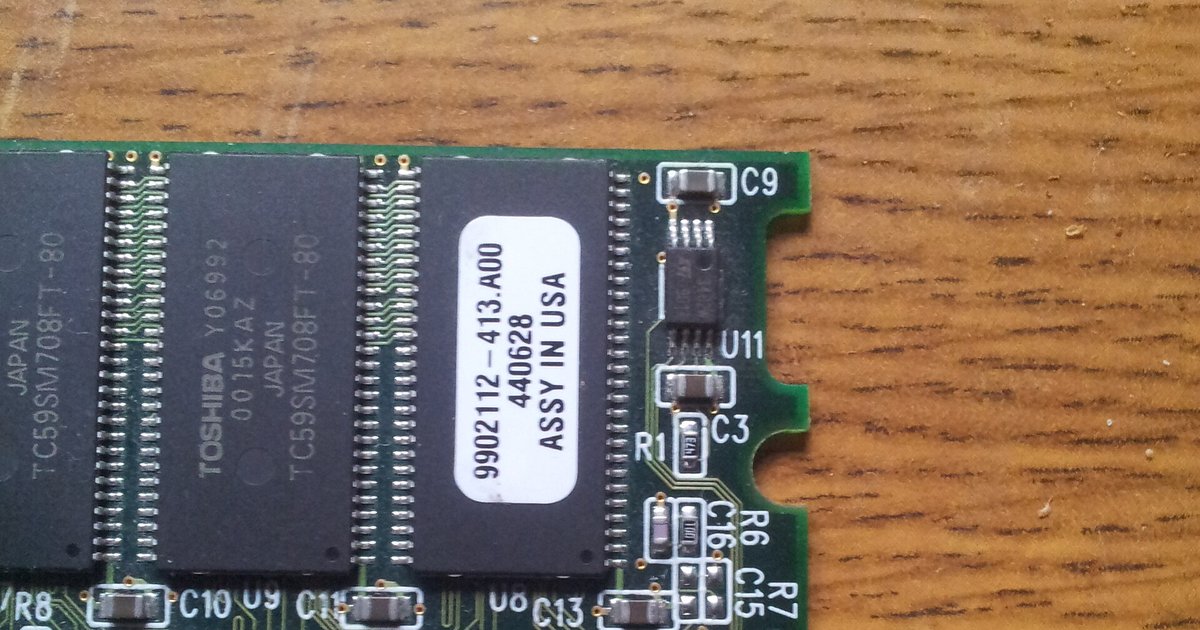
DFRobot has launched the LattePanda Mu Ultra, a 69.6 by 60 millimetre x86 compute module in a SO-DIMM form factor with a 260-pin edge connector. Two variants are offered: the Intel Core Ultra 5 226V, an octa-core part to 4.5 GHz with a seven-core Xe GPU to 1.85 GHz, 40 TOPS from the NPU and 97 TOPS combined; and the Core Ultra 7 256V, octa-core to 4.8 GHz with an eight-core Xe GPU to 1.95 GHz, 47 TOPS from the NPU and 115 combined. Both carry 16 GB of soldered LPDDR5 at 8533 MT/s giving 136.5 GB/s of bandwidth. Module I/O includes three HDMI 2.0 or DisplayPort 1.4 outputs, two USB 3.2 Gen2 and six USB 2.0, up to four PCIe 4.0 lanes, three UARTs, two I2C and GPIO, with a 256 Mbit SPI flash for BIOS only and operating system storage via PCIe NVMe on the carrier. The module runs 0 to 60 °C. The DFR1293 Mini Carrier, 110 by 94 millimetres, adds an M.2 2230/2280 NVMe M-key slot to PCIe 4.0 x2, an M.2 E-key slot, 2.5 Gbps Ethernet, dual USB-C with DisplayPort alt-mode and an OCuLink port to PCIe 4.0 x4. Modules are $599 and $699, with AI developer kits at $643 and $733; Windows 11 and Ubuntu 24.04 or 26.04 are supported.
The OCuLink port on the carrier is the detail that widens what this can be used for, and it is unusual at this price. OCuLink carries PCIe outside the box, which means an external GPU or accelerator can be attached to a module that has no room for one internally. For a vision or inference workload that outgrows 115 TOPS, that converts a module swap into a cable — and for a development platform it means the same hardware can be used to characterise a workload with and without acceleration.
The x86 question deserves an honest answer because it decides the whole comparison. An Arm module of similar capability costs less and draws less power. What x86 buys is that existing Windows software runs, that the industrial applications, vendor SDKs and machine-vision libraries built over twenty years for x86 run unmodified, and that a team does not have to port anything. In a greenfield product that is worth little; in a machine builder replacing an ageing industrial PC inside an existing software estate, it is frequently the only thing that matters.
Two constraints to note before designing it in. The memory is soldered at 16 GB with no option, which is generous for control and inference and limiting for anything holding large models or many video streams in RAM. And the module's 0 to 60 °C range is a commercial rating, not an industrial one — combined with a part that will draw real power under sustained inference, the thermal design of the enclosure is the engineering work this module implies, and it is not optional in a sealed cabinet.