

A Utility Asks Its Biggest Customers to Pay in Advance
Kepco is seeking 20 trillion won from Samsung and 5 trillion from SK Hynix as prepaid electricity, to fund the grid build-out their semiconductor clusters require.
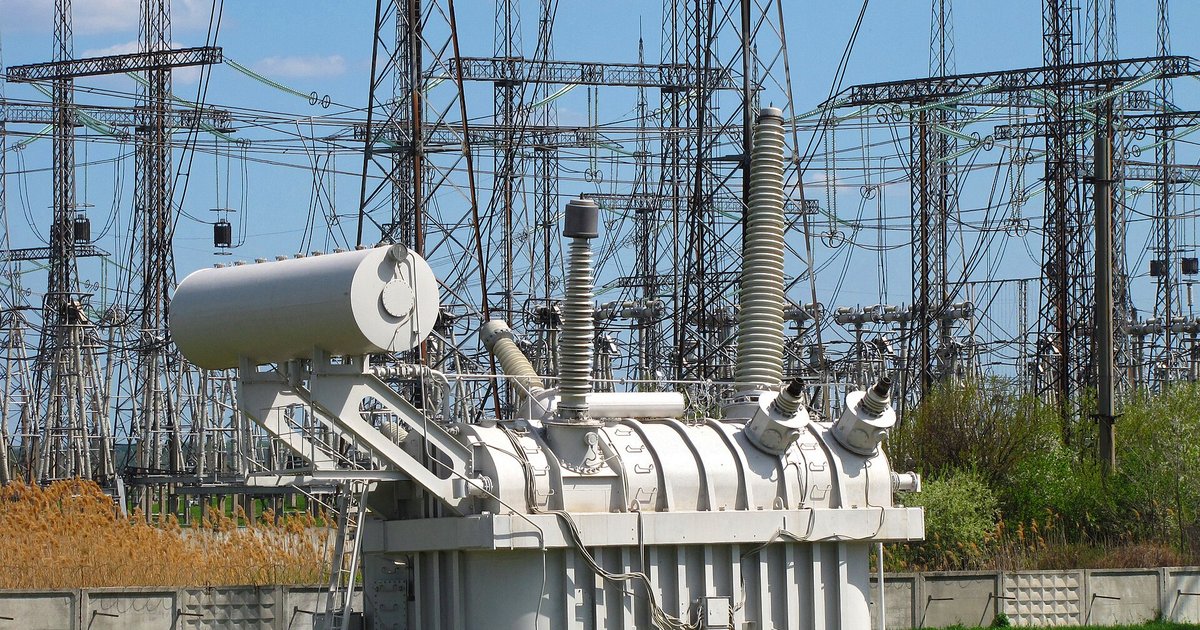
Korea Electric Power Corporation is seeking 20 trillion won — about $14.7 billion — from Samsung Electronics and 5 trillion won from SK Hynix as prepaid electricity, to finance construction of the power grids serving new semiconductor clusters. Under the proposed arrangement the companies would make monthly payments totalling 2 trillion won over twelve months, with Kepco deducting subsequent electricity bills from the prepaid balance and paying interest on the remainder every six months. Calculations are based on 2025 bills and estimated power costs for 2027 to 2031. Negotiations are ongoing; both companies declined to comment.
Strip away the specifics and this is a structural problem appearing in a new form. Large industrial loads — semiconductor fabs, data centres, electrolysers, electric arc furnaces — are being built faster than the transmission infrastructure that has to serve them, and the utilities that must build that infrastructure are frequently in no financial state to do so. Kepco in particular has carried heavy losses from selling electricity below cost during recent energy price spikes.
The prepayment structure is an unusual answer, and it is worth understanding as what it is: the customer financing the utility's capital programme in exchange for the certainty that the connection will exist. That is a rational trade for a fab operator, because a semiconductor plant without a grid connection is a stranded multi-billion-dollar asset, and the cost of waiting dwarfs the cost of capital on a prepayment. It is essentially the same instinct behind the direct-to-load contracting structures appearing in the United States, where large loads pair directly with new generation rather than waiting for the system to catch up.
The general trend is worth naming for industrial energy users everywhere, including those far smaller than Samsung. Grid connection is becoming a scarce commodity allocated by queue position, willingness to pay and willingness to contribute capital, rather than an entitlement that follows an application. Anyone planning a significant load increase over the next five years should treat the connection process as a long-lead procurement item with a real price attached, and should ask early rather than late — because the queue is the constraint, and it is getting longer.
Source: Energy Connects