

A Voice Message at One Kilobit per Second
Iridium, Deutsche Telekom IoT and Toyota sent a voice message from a vehicle over LEO satellites using standards-based 3GPP NB-IoT and a codec Fraunhofer says runs at a kilobit per second or less.
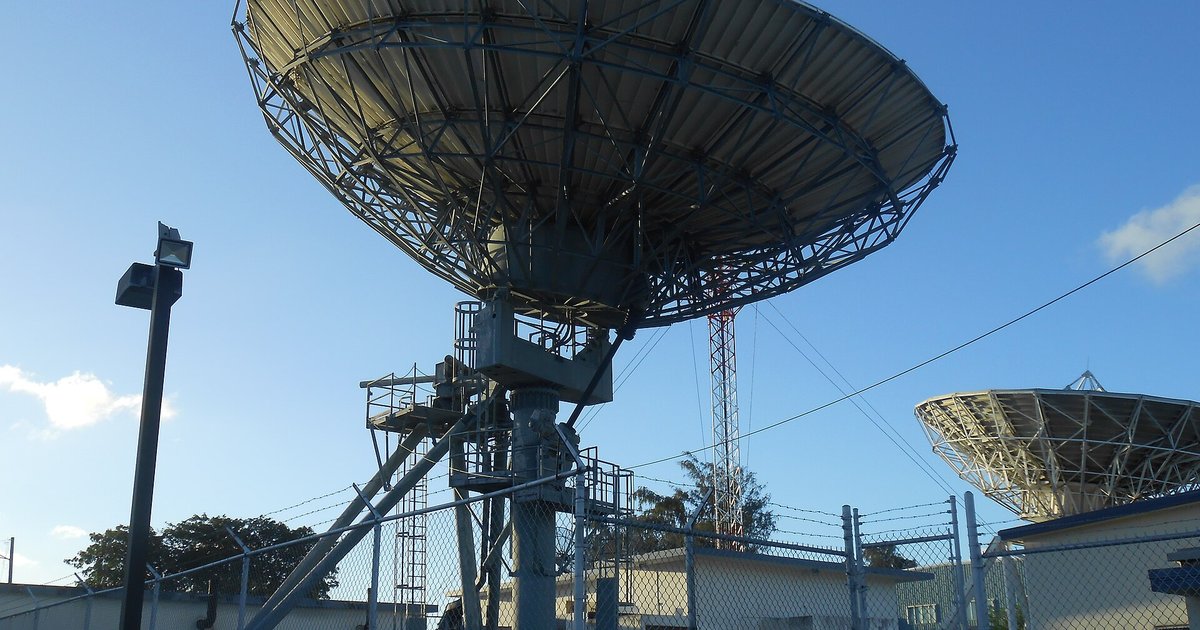
Iridium, Deutsche Telekom IoT and Toyota have demonstrated a voice message sent from a Toyota vehicle over Iridium's low-earth-orbit constellation using standards-based 3GPP NB-IoT rather than a proprietary satellite voice link. The test hardware was a Nordic Semiconductor nRF9151 development board with a Deutsche Telekom IoT SIM. Fraunhofer IIS supplied its AI-based NESC voice codec, which the institute says can operate at bit rates of one kilobit per second or less; the message transmitted was "testing, testing, one, two, freeway". Iridium and Deutsche Telekom IoT have completed technical network integration and a global roaming agreement, with commercial availability of Iridium NTN Direct for Deutsche Telekom IoT customers planned for the fourth quarter of 2026 and selected European customers already testing. The intent is that eligible customers on compatible NB-IoT devices move between terrestrial cellular coverage and Iridium satellites using Deutsche Telekom's Global SIM.
The engineering claim worth examining is the codec. NB-IoT over a satellite link offers a data rate measured in low kilobits with latency and duty-cycle constraints that make conventional voice impossible — a standard cellular codec wants eight to thirteen kilobits per second, and even the narrowest traditional vocoders sit around two. A neural codec at one kilobit per second works differently: rather than transmitting a compressed waveform it transmits a compact description of the speech and reconstructs it with a model at the far end. The result is intelligible speech, not high fidelity, and that is the correct trade for the application.
The application is the point, and it is not telephony. This is emergency messaging from places terrestrial coverage does not reach — a vehicle off-road, a broken-down truck on a remote highway, a lone worker, a vessel. The value is not conversation but the difference between a location beacon and a human voice explaining what has happened, which changes what the responder brings.
The commercially interesting part is the standards-based framing. Satellite messaging has historically meant a dedicated terminal, a dedicated airtime contract and a separate device. Doing it over 3GPP NB-IoT with a roaming agreement means a single module, a single SIM and an application that does not know which network it is on — which is what makes satellite fallback a checkbox on a mainstream IoT device rather than a separate product line. For anyone designing equipment that must report from anywhere, the practical question is now module and tariff selection rather than architecture, and the fourth-quarter availability date is the one to plan around.