

An Image Sensor That Counts Single Photons
Singular Photonics has launched Litavis, a SPAD sensor pairing a 256 by 256 photon-counting array with a 64 by 64 macropixel grid delivering time-stamped photon events at picosecond resolution.
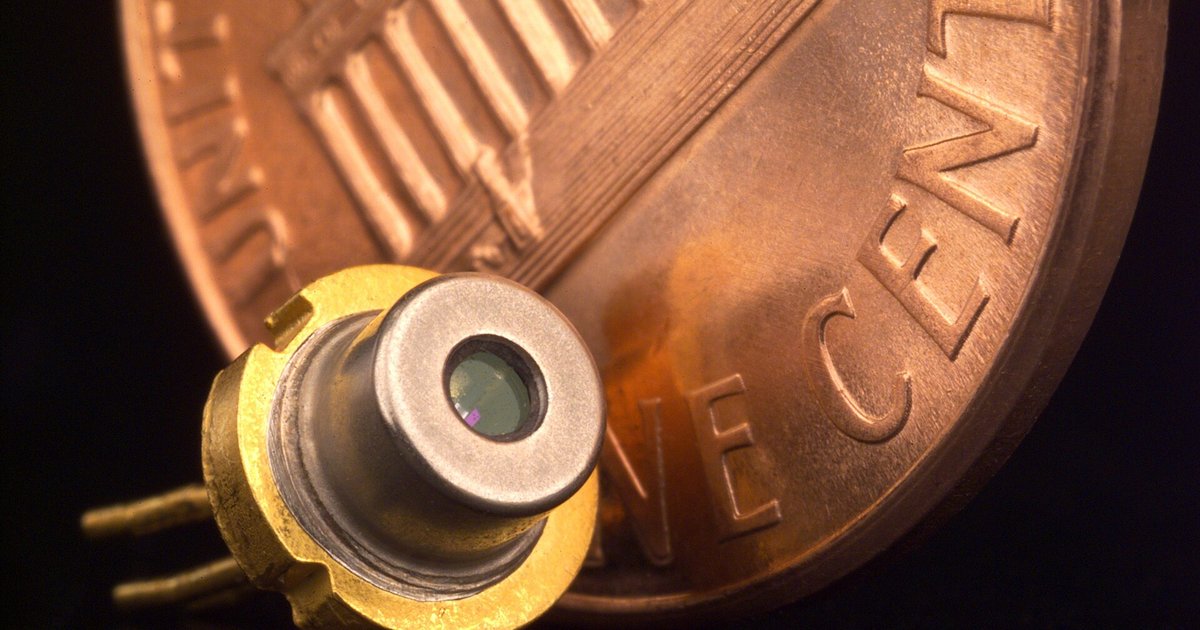
Singular Photonics, an Edinburgh-based fabless semiconductor company, has launched Litavis, described as the first single-photon avalanche diode sensor to use in-pixel processing to unify imaging, timing, histogramming and photon statistics on one chip. It combines a 256 by 256 photon-counting imaging array with a 64 by 64 macropixel grid that delivers time-stamped photon events at picosecond resolution, with on-chip CMOS digital photon processing, configurable time-correlated single-photon counting and high-throughput time-to-digital converter options, high-dynamic-range photon counting with adjustable resolution, windowed and coincidence-based detection modes, and combined timestamping and imaging. Chief executive Shahida Imani is quoted, pre-orders have been received, and demonstrations are scheduled for SPIE Sensors + Imaging in Edinburgh this month and VISION in Stuttgart in October. Target applications span machine vision, robotics, depth sensing, spectroscopy, medical imaging and quantum technologies.
The distinction worth drawing is between a SPAD array and a conventional image sensor, because they answer different questions. A CMOS sensor integrates photons over an exposure and reports a brightness. A SPAD fires on individual photons and records when each one arrived. Picosecond timing resolution corresponds to sub-millimetre distance resolution at the speed of light, which is why this class of device underpins direct time-of-flight depth sensing, lidar, and any measurement where the arrival time of light carries the information — fluorescence lifetime, Raman gating, or seeing through scattering media.
The in-pixel processing is the engineering claim that matters. A raw SPAD array generates an enormous event stream — every photon is a timestamped event — and moving that off-chip has historically been the bottleneck, forcing either a small array or a low frame rate. Histogramming on the chip means the sensor emits a compact distribution rather than a flood of events, which is what makes a useful array size practical. The asymmetric geometry reflects the same compromise: a fine 256 by 256 grid for counting, a coarser 64 by 64 grid of macropixels for timing, because each timing pixel needs its own converter and area.
For industrial readers the honest framing is that this is an enabling component rather than a product to deploy. It is interesting because low light and time-resolved measurement are where conventional machine vision stops working: inspecting a dark or absorbing surface, measuring depth on a shiny part where triangulation fails, or discriminating a weak signal against ambient light. If an inspection problem has resisted solution because there were not enough photons, this is the direction the answer comes from — and the appropriate next step is a conversation at one of the two shows rather than a purchase order.