

Connecting the Four Fifths of Brazil With No Coverage
Sateliot has signed with Grupo Constanta to bring 3GPP Release 17 NB-IoT NTN to Brazilian energy distribution, in a country where 80 to 82 percent of the territory lies outside effective cellular coverage.
Sateliot has signed an agreement with Brazil's Grupo Constanta — comprising Laager, Nexum and HartBR, together with the Instituto Constanta de Inovação and NEPEN — to bring standards-based NB-IoT non-terrestrial network connectivity to the country's critical infrastructure, beginning with energy distribution. Sateliot operates a low-earth-orbit constellation built to the 3GPP Release 17 NTN standard, which allows commercial NB-IoT devices to connect directly from space without modification; its next-generation Trito satellites are planned for launch in 2027. A demonstration phase begins later in 2026, which the companies say would be the first use of LEO satellite IoT in Brazil's energy distribution network. Planned expansion covers smart grids, public lighting, energy efficiency, sanitation and agriculture. Between 80 and 82 percent of Brazil's territory remains outside effective cellular coverage. Gianluca Redolfi is Sateliot's chief commercial officer; Roberval Tavares is chief executive of Constanta.
The standards compliance is what distinguishes this from the previous generation of satellite IoT, and it is worth being precise about why. Historically, connecting a remote asset by satellite meant a purpose-built terminal with a proprietary protocol, a dedicated airtime contract and a device that could do nothing else. Release 17 NTN puts satellite access inside the 3GPP standard, which means the same NB-IoT module that connects to a terrestrial network can connect to a satellite — and, as the announcement puts it, enabling a device for LEO NTN becomes a matter of certification and configuration rather than hardware redesign. That changes the economics from a special project to a line item.
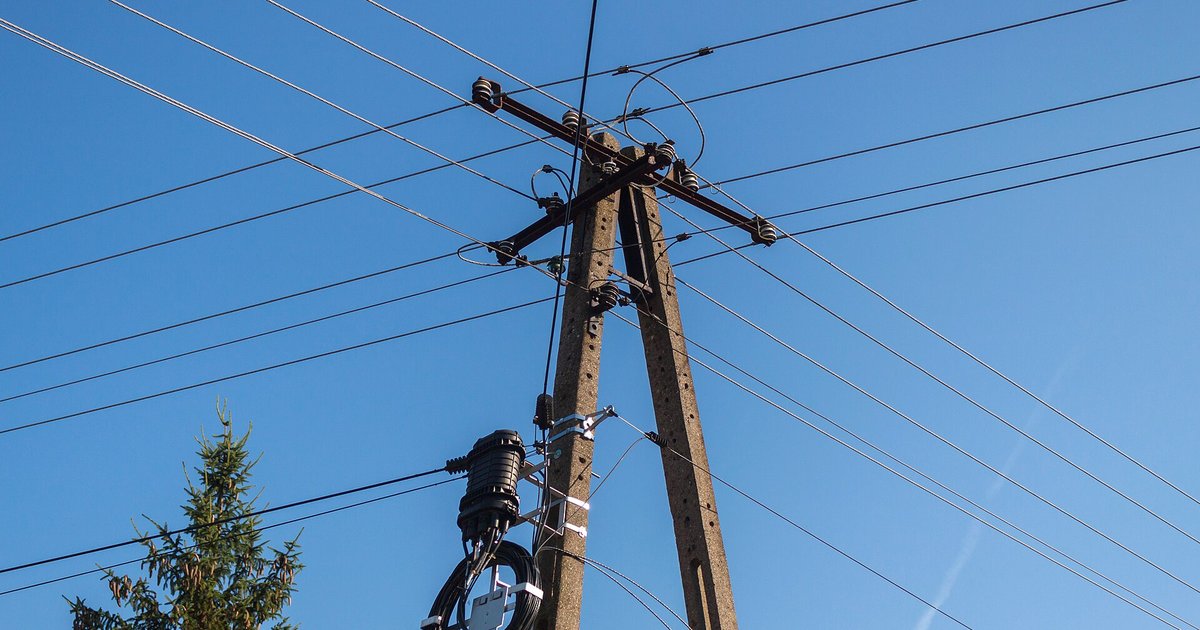
Energy distribution is a sensible first application for a specific engineering reason. Distribution networks extend precisely into the areas where cellular coverage stops, because power lines follow population at low density while cell towers follow population at high density. Reclosers, sectionalisers, fault indicators and transformer monitors on rural feeders are the assets most valuable to instrument and least likely to have coverage, and they generate exactly the kind of small, infrequent, delay-tolerant messages NB-IoT NTN handles well.
The constraint worth understanding before designing around it is that this is not continuous connectivity. A LEO constellation at current density gives intermittent passes rather than permanent coverage, so a device transmits when a satellite is overhead and waits otherwise. That is entirely adequate for a daily meter reading, a fault indicator flag or an asset health report, and entirely inadequate for anything requiring command and control with a bounded response time. The design question for any application is therefore not coverage but latency tolerance: what is the longest acceptable delay between an event and its report, and does that number survive a gap between passes?