

Ericsson Names the Radios for the Railway's Move Off GSM-R
Ahead of InnoTrans 2026, Ericsson set out an FRMCS migration path with specific trackside radios, baseband and transport products, plus validation results from five railway lines.
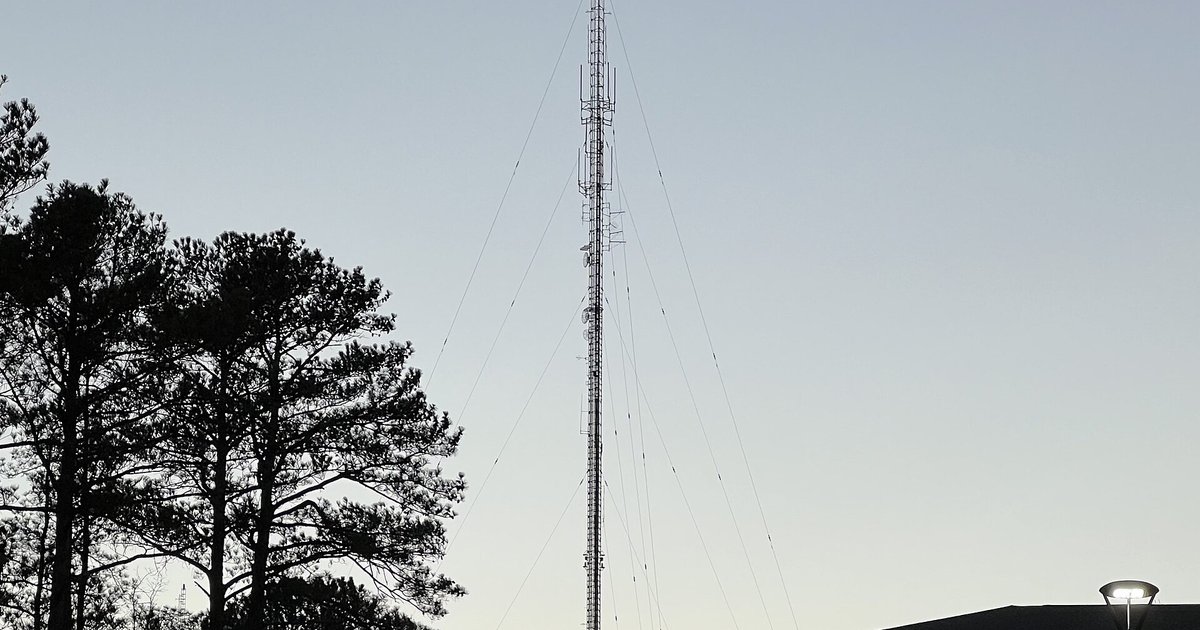
Ericsson published its FRMCS migration position on 16 September, ahead of InnoTrans 2026 in Berlin, which runs 22 to 25 September. Torsten Hunte, head of mission-critical networks rail at Ericsson, summarised the problem in a sentence: railway operators know the destination — FRMCS — but need a clear route to get there. The goal he described is a secure 5G network for mission-critical operations and passenger services.
Unusually for this subject, the announcement names products. Trackside radios are the Radio 8883 RW and the Radio 4474 N100. Baseband is RAN Compute 6381. Transport is MINI-LINK 6355. Purpose-built rail and tunnel antennas are models 9011, 2405 and 2411. The showcase covers radio planning, coverage verification and deployment workflows, along with device and network testing from Ericsson's Düsseldorf laboratory, and applications including automated operations, positioning and AI-supported maintenance.
The evidence Ericsson points to is FP2-MORANE-2, a Horizon Europe initiative validating the Future Railway Mobile Communication System across three laboratories and five railway lines in Spain, Germany, Sweden and the Netherlands. For a technology still being proven, line-by-line validation results are closer to independent evidence than anything a vendor lab can produce alone.
GSM-R is running out of runway, and every European infrastructure manager has to plan the replacement, so the practical question is narrow: which radios and basebands are actually validated in the n100 rail band today, and what does the overlap period look like when both systems have to run.
Ericsson also flagged opportunities outside Europe — India, and Queensland's next-generation rail communications network ahead of the 2032 Brisbane Olympics.