

Google's 396 Megawatt Bet on Enhanced Geothermal
Fervo and Google signed the largest enhanced geothermal agreement to date for Cape Station in Utah, with an option to expand by roughly 600 MW to nearly 1 GW by June 2030.
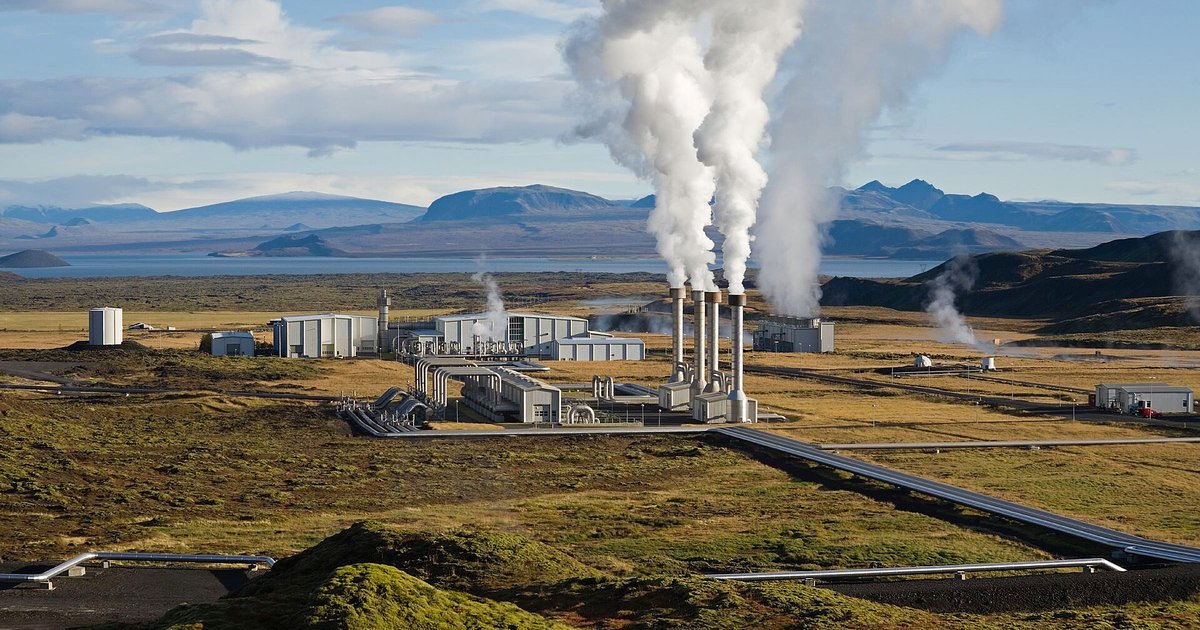
Fervo Energy and Google have signed a 396 megawatt power purchase agreement covering the Cape Station enhanced geothermal project in Utah, expected to come online in 2028. The agreement includes an option for Google to expand offtake by approximately 600 MW — taking the total to nearly 1 GW — exercisable by June 2030. Fervo describes it as the largest enhanced geothermal agreement signed to date, and against an initial Cape Station phase of 100 MW it is a considerable step up.
Enhanced geothermal is worth understanding as distinct from conventional geothermal. Conventional plants need a rare coincidence of heat, permeability and fluid, which is why geothermal has stayed a regional technology. EGS drills into hot rock that lacks natural permeability and engineers the flow paths, borrowing directional drilling and stimulation techniques from shale. If it works at cost, it converts geothermal from a geological accident into something that can be sited far more widely.
The reason a hyperscaler is signing rather than a utility is the load shape. Data centres want firm, carbon-free power around the clock, and the two cheapest carbon-free sources are intermittent. Geothermal produces continuously, which makes it substitutable for the baseload role that would otherwise be filled by gas — and Google will use the output as a foundational power block for a potential data centre in Utah, which is the tell: the generation is being contracted before the load is built, in the location where the load will go.
The contracting structure matters too. It relies on Utah's SB132, which, subject to regulatory approvals, is anticipated to give Fervo and Google optionality on direct-to-load contracting. Large loads pairing directly with new generation is a structure several states are now experimenting with, and it is a live question for grid planners: it can add generation alongside the demand it serves rather than leaving the system to absorb the load, but it also moves capacity outside the traditional utility procurement process.
The relationship has history. Google backed Fervo's Project Red in Nevada, a commercial pilot that came online in 2023, and signed a 115 MW PPA with Fervo and NV Energy in June 2024. Chief executive Tim Latimer said the agreement reinforces that EGS is ready to power the next generation of computing; Google's Lucia Tian framed Utah as where the next chapter of advanced power generation is being written.
Source: Fervo Energy