

INEOS Starts CO2 Injection at Greensand in the Danish North Sea
Commercial operations have begun at 400,000 tonnes a year, injecting into a depleted reservoir 250 km offshore and 1,800 m below the seafloor, with an ambition to reach 4-8 million tonnes.
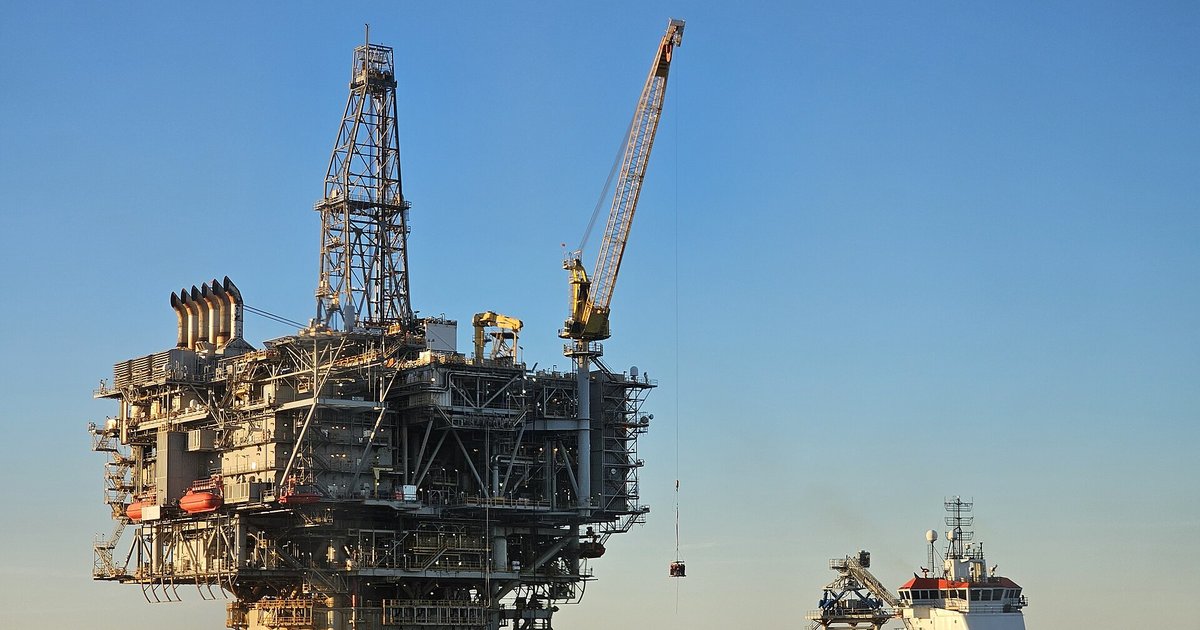
INEOS Energy has started commercial operations at Greensand in the Danish North Sea, which it describes as the European Union's first full-scale carbon dioxide storage facility. Denmark's King Frederik X inaugurated the site at the Port of Esbjerg on 18 September.
Initial capacity is 400,000 tonnes of CO2 a year, with a stated ambition to reach 4 to 8 million tonnes annually as demand develops. The project is jointly led by INEOS Energy, Harbour Energy and the Danish North Sea Fund. CO2 comes from Danish biomethane facilities, is liquefied, trucked to a dedicated terminal at the Port of Esbjerg, then shipped offshore aboard Carbon Destroyer 1 — described as the EU's first purpose-built CO2 carrier — and injected into the depleted Nini West oil reservoir, roughly 250 kilometres offshore and 1,800 metres below the seafloor. The Geological Survey of Denmark and Greenland verified reservoir integrity; DNV granted safety certification.
The engineering point for anyone in measurement is the shape of the chain. Capture, liquefaction, road transport, marine loading, shipping, offshore injection — that is four or five separate custody transfers, across assets owned by different parties, and every one of them has to reconcile for the stored tonnage to be certified and paid for. Flow metering, composition analysis and data integrity across organisational boundaries stop being nice-to-have and become the commercial basis of the project.
The scale-up ambition sharpens that. Going from 400,000 tonnes to several million is a ten to twenty-fold increase, and the monitoring architecture chosen now has to survive it. Building for today's throughput, on this kind of asset, tends to mean rebuilding in five years.