

Measuring Brix Through Bubbles and Pulp
Vaisala will show inline concentration measurement at PACK EXPO with the Polaris PR53AC sanitary refractometer and Indigo520 transmitter, covering 0 to 100 percent and designed to hold up against bubbles, colour and suspended solids.
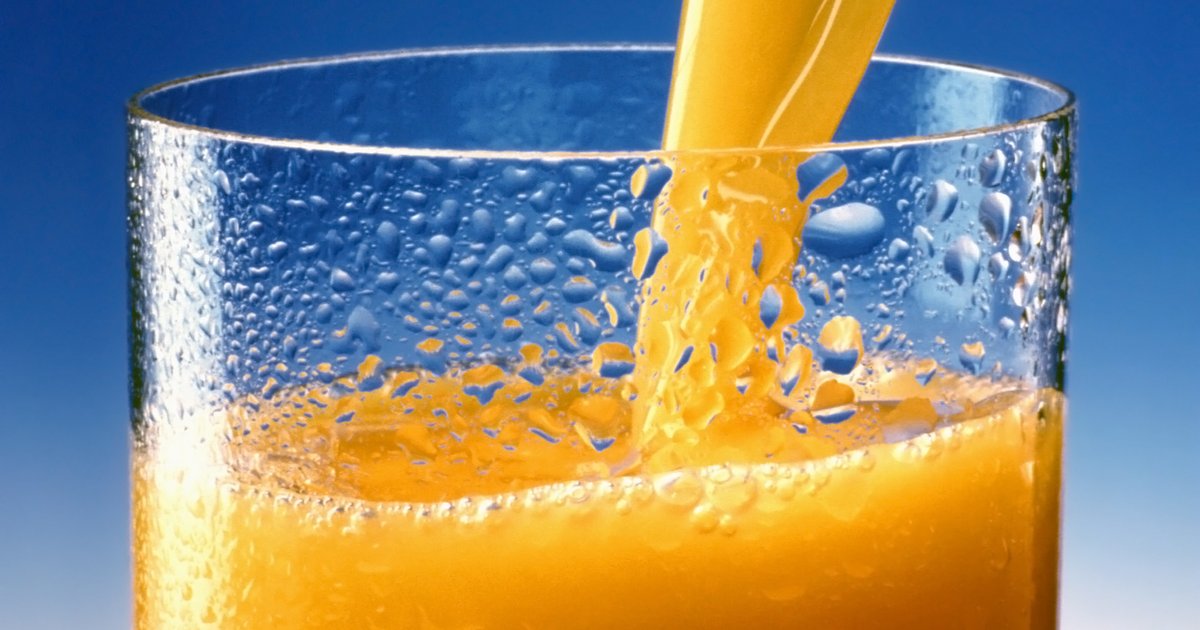
Vaisala will demonstrate inline Brix and liquid concentration measurement at PACK EXPO International 2026, using the Polaris PR53AC sanitary compact process refractometer paired with the Indigo520 transmitter. The instrument covers a 0 to 100 percent concentration range and is designed to maintain measurement performance in the presence of air bubbles, colour, pulp and suspended solids. Named food and beverage applications are beverage blending, juice and soft drink production, dairy processing, syrup preparation, cooking, evaporation, extraction and fermentation; pharmaceutical and biotechnology applications include active pharmaceutical ingredient production, reaction monitoring, crystallization, solvent exchange, filter cake washing, fermentation and protein concentration. The demonstration is at booth LU-7559, McCormick Place, Chicago, 18 to 21 October.
The immunity claim is the specification that matters, and it follows directly from the measurement principle. A process refractometer measures the critical angle of total internal reflection at the boundary between a prism and the process liquid, which depends on the liquid's refractive index and therefore its dissolved solids content. Crucially, it is a surface measurement at the prism face rather than a transmission measurement through the fluid, so anything suspended in the bulk — pulp, particles, bubbles, colour — does not lie in the optical path. That is why a refractometer can read Brix in orange juice with pulp while an optical transmission method cannot, and it is the reason this technology dominates inline concentration measurement in food processing.
What does affect it is the prism surface itself, and that is the practical failure mode to plan for. Coating, scaling, protein fouling or scratching of the prism shifts the reading, and in most installations the instrument is mounted where flow scours the surface — in a pipe elbow or a recirculation loop rather than a dead leg — precisely to keep the prism clean. Sanitary designs matter here beyond hygiene: a CIP cycle that reaches the prism is what keeps the calibration valid between services.
For anyone weighing inline concentration measurement against the laboratory alternative, the economics are usually decided by what happens between samples. A hydrometer or a bench refractometer reading every thirty minutes cannot catch the start of a drift, and in blending and evaporation the material produced in that window is either given away above specification or reworked below it. A continuous reading closes that loop and allows the process to run nearer the target. As with any inline analyser, the value depends on trusting it, which means the commissioning task worth budgeting for is a period of running the instrument alongside laboratory samples, establishing the offset, and agreeing which one is authoritative when they disagree.