

Retrofitting Remote Control Onto Cathodic Protection
Omniflex's PowerView C4 connects directly to existing tap or phase control transformer rectifiers, adding remote voltage and current monitoring, remote adjustment and automated CP testing without extra signal conditioning.
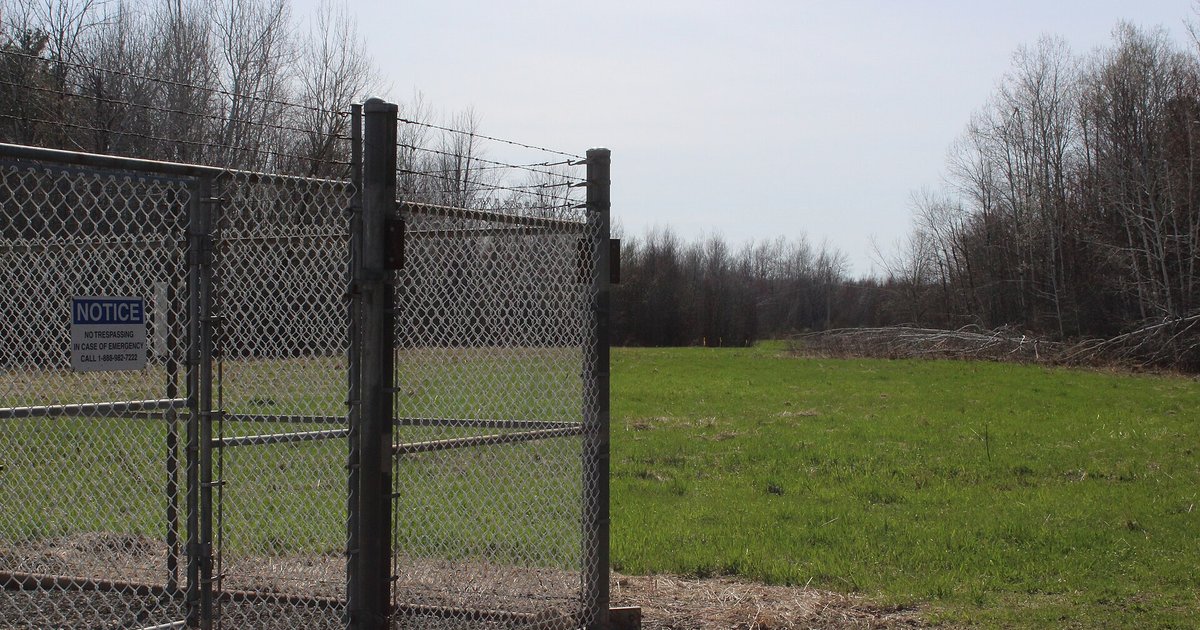
Omniflex has introduced the PowerView C4, a retrofit module for ageing impressed current cathodic protection installations on buried and submerged pipeline infrastructure. It connects directly to existing tap control or phase control transformer rectifiers and provides real-time remote monitoring of voltage and current across a corrosion prevention network, with no additional signal conditioning instruments required. Communications options are wireless cloud connectivity, Ethernet or serial for local network integration. The module also supports remote voltage adjustment and auto-potential control, performs automated cathodic protection testing to eliminate manual field inspections, and provides continuous data logging with immediate detection of transient anomalies such as anode failures.
Cathodic protection is one of the few genuinely invisible engineering systems: an impressed current supply drives a small voltage onto a buried pipeline relative to sacrificial anodes, holding the metal at a potential where corrosion does not proceed. It works continuously, silently, and its failure is undetectable without measurement — a pipeline with a dead rectifier looks identical to a protected one for a long time, and then does not. The traditional assurance regime is therefore a person driving to test posts with a voltmeter on a monthly or quarterly cycle.
The value of continuous monitoring is proportional to how much can go wrong between those visits, which is a lot. An anode can fail, a rectifier can trip, a cable can be severed by a third party digging, a new metallic structure can be installed nearby and create interference, and a coating defect can increase current demand beyond what the rectifier can supply. Each of these leaves the pipeline unprotected from the moment it happens until the next inspection, and corrosion rates on unprotected buried steel are measured in fractions of a millimetre per year — which matters a great deal on a wall thickness measured in single-digit millimetres.
Two things make the retrofit framing the commercially relevant part. First, transformer rectifiers are long-lived equipment; a tap-control unit installed decades ago works perfectly well as an electrical device and is not going to be replaced to gain telemetry. A module that reads the existing unit rather than replacing it is the only economic path to instrumenting an installed base. Second, the remote adjustment and auto-potential control capability changes the regime rather than just the reporting: a system that can correct a drifting potential without a site visit is doing the engineering work, not only observing it. The caution that belongs with that is the ordinary one for any newly remote-controllable asset — a device that can change a pipeline's protection potential from a network is a device whose access control now matters, and it should be treated as an OT asset rather than a monitoring convenience.