

Six Million Dollars of 5G for Forty Percent of a Country's Trade
Santos Port Authority is deploying private 5G across three zones under a three-year, $6 million agreement, carrying a vessel traffic management system, a digital twin and sensor feeds.
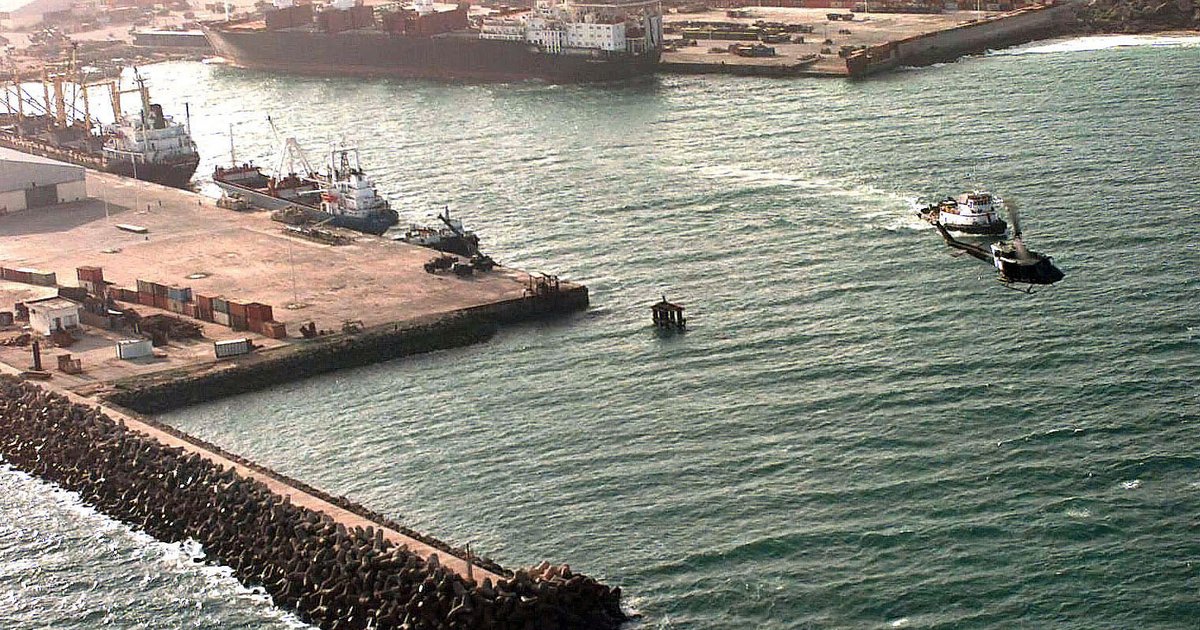
The Santos Port Authority, directed by Brazil's Ministry of Ports and Airports, is rolling out a private 5G network across the Valongo, Outeirinhos and Estuário zones under a three-year, $6 million agreement called Porto de Santos Conecta. The network will connect radar installations, high-definition cameras, environmental sensors and mobile devices, and will carry a Vessel Traffic Management Information System — currently in the contracting phase, with integration and testing to follow — alongside a digital twin. Santos handles approximately 40 percent of Brazil's seaborne foreign trade, and its shore power is drawn from the Itatinga hydroelectric plant. The rollout is phased over three years starting with the core zones. Minister Silvio Costa Filho is quoted on the largest port in the Southern Hemisphere operating with maximum logistical efficiency while leading the decarbonisation agenda.
Six million dollars over three years is a modest figure for a port of this significance, and the modesty is informative. A private 5G network is not the expensive part of a smart port programme; the expensive parts are the vessel traffic system, the sensors, the integration and the organisational change. The network is infrastructure in the literal sense — it is what the other systems run on, and it is being procured first because nothing else can be specified until the connectivity exists. That sequencing is the right one and is frequently got backwards.
The VTMIS is the application that justifies the rest, and it is worth understanding what it is. Vessel traffic management is essentially air traffic control for a waterway: radar, AIS, cameras and environmental sensors feeding a picture that lets a controller sequence vessel movements safely in a constrained channel. Its value is in throughput as much as safety, because a port's capacity is frequently limited by how tightly movements can be scheduled in a channel with tide and draught constraints rather than by berth or crane capacity. The connectivity requirement is unusual in that it is wide-area, outdoors, over water and must be reliable enough for a safety-relevant picture.
The digital twin is the element to be most sceptical about, and the scepticism is general rather than specific to Santos. A twin of a port is only as good as the live data feeding it, and its value depends entirely on a decision it is meant to support — berth allocation, channel scheduling, energy management. Twins that exist as a visualisation of sensor data are common and tend not to survive the end of the programme that funded them. The question worth asking of any such project, including this one, is which decision the twin makes better and who is accountable for making it — and the answer, when there is one, is usually visible in whether the twin is connected to an operational system or to a screen in a boardroom.