

Switzerland's Largest Battery Is Two Batteries
Axpo and municipal utility energieUri have commissioned 58.4 MW of co-located Fluence storage at Gurtnellen in Canton Uri — 50 MW serving the national grid and 8.4 MW serving the canton.
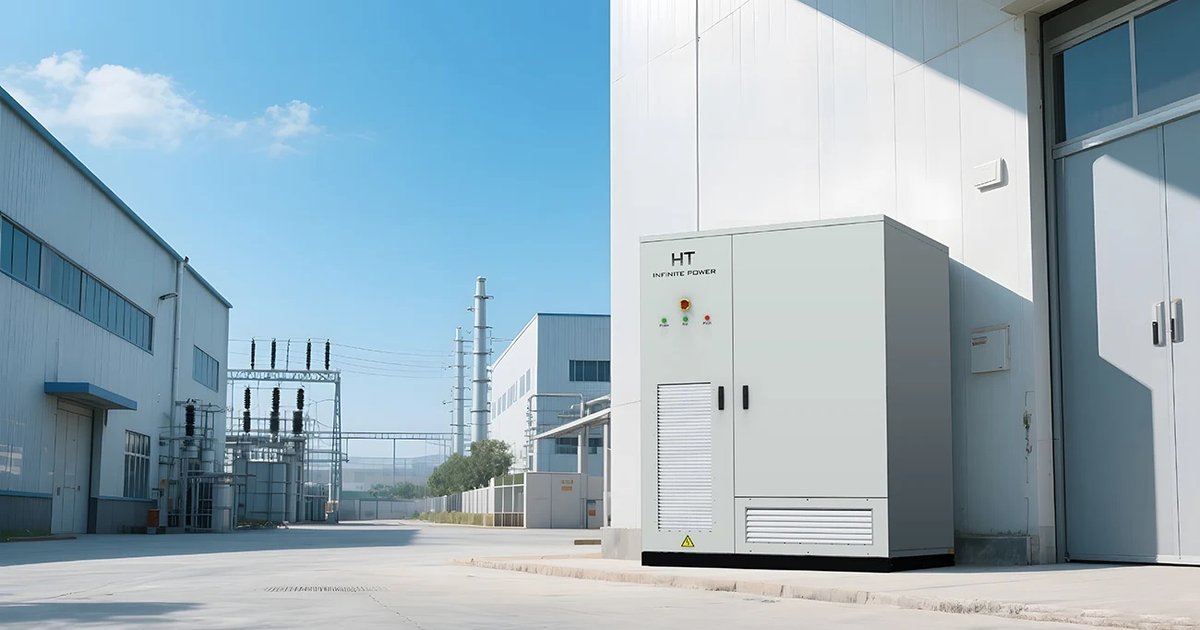
Axpo and the municipal utility energieUri have brought online two co-located battery systems at the Plattischachen area in Gurtnellen, Canton Uri, totalling 58.4 MW and making it Switzerland's largest operational battery storage site. Axpo's 50 MW share is designed to serve national grid needs, while energieUri's 8.4 MW share targets regional requirements inside Canton Uri. Fluence supplied the storage technology for both. Commissioning completed in the first half of 2026 as originally planned; the investment value was not disclosed.
Two batteries at one site with different owners and different dispatch mandates is the arrangement worth noticing, because it is a sensible answer to a real problem. Grid connections are scarce and slow, and the civil works, transformer, protection and land are largely fixed costs regardless of how many megawatts sit behind them. Sharing that infrastructure between a national player and a municipal utility lets a small distributor obtain storage at a scale it could never justify alone, while the larger operator improves the economics of a connection it was building anyway.
The split mandate is what makes it more than a cost-sharing exercise. A national-scale asset earns from frequency regulation, balancing and wholesale arbitrage — markets where dispatch is driven by system-wide conditions. A distribution-level asset earns by deferring a local network reinforcement, managing a constrained feeder or firming local renewable output. Those are different signals that call for the battery at different moments, and running them as one asset would mean one of the two value streams losing every time they conflict. Two independent systems sharing a connection point capture both, and the arrangement is worth understanding by any industrial site weighing storage: the question of who dispatches, on what signal, is more consequential than the capacity.
For an industrial energy user the transferable lesson is about the connection rather than the battery. A site with an existing high-capacity grid connection owns something increasingly scarce, and there is a real business in hosting storage behind it — either by installing a battery to manage the site's own peaks and network charges, or by making the connection capacity available to a developer. Swiss and European network tariffs increasingly reward exactly this. The engineering questions that follow are the ordinary ones — protection coordination, harmonics, fire separation distances and what happens to the site when the battery is in an alarm state — and they are considerably easier to resolve at design time than after a developer's contract has been signed.