

Twelve Megawatts From Devices Already Installed
PG&E's Google-funded SHARE programme enrols about 21,000 existing flexible devices across two California counties, deploying 12 MW at peak from batteries and heat pumps that were already in place.
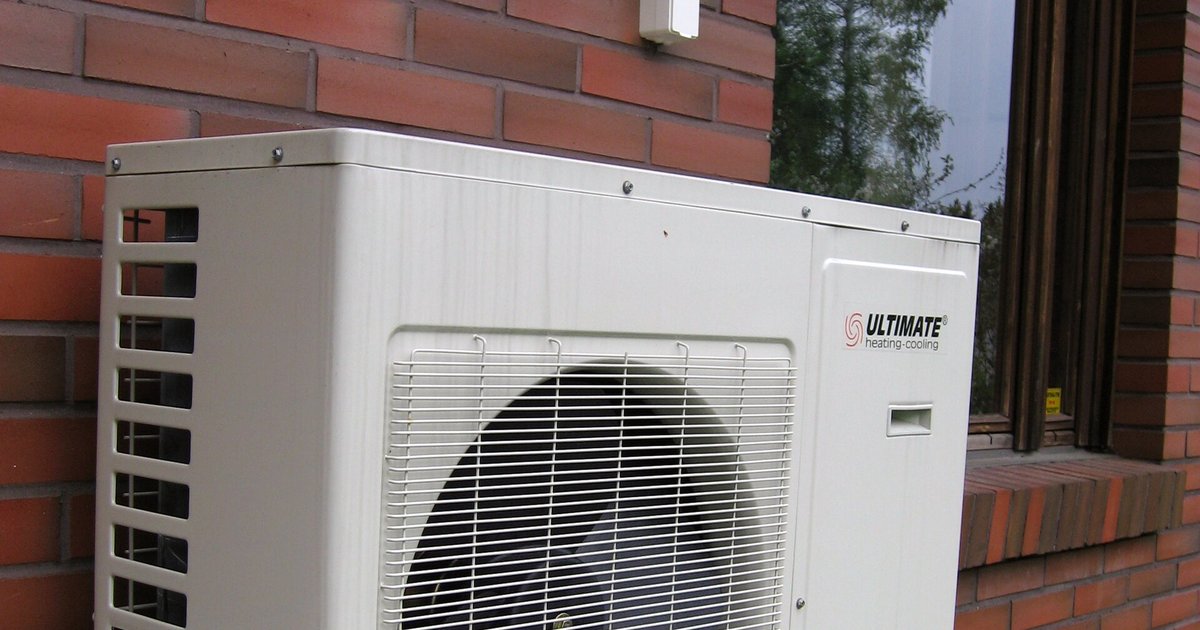
PG&E has launched SHARE — Smart Home Assets for Reliability and Efficiency — a virtual power plant fully funded by Google and operating in Santa Clara and Alameda counties, California. It enrols approximately 21,000 existing flexible energy devices and can deploy 12 MW during periods of peak demand. Tesla and Sunrun supply home battery capacity, with participating Sunrun customers receiving $200 per battery enrolled. Carrier Performance Series variable-speed heat pumps with EnerSync are offered to a subset of households at $5,000 off, with 25 households receiving $10,000 off. Grid support is expected to begin as early as autumn 2026 and to run through 2027, with initial findings shared in late 2026 or early 2027.
The word doing the work in this announcement is "existing". A virtual power plant that requires hardware to be installed is a long, expensive programme with an installer bottleneck; one that enrols devices already sitting in people's homes is a software and contracting exercise. Twelve megawatts from 21,000 devices is about 570 watts each, which is what you get by nudging a population of batteries and heat pumps rather than by building anything — and it arrives in months rather than years, which is the property that makes VPPs interesting to a system operator facing a peak next summer.
The heat pump inclusion is the technically interesting part and the harder half. A home battery is an ideal VPP asset: it is dispatchable, its state of charge is known, and discharging it earlier than the owner would have costs them nothing they notice. A heat pump is a load, and shifting it means changing the temperature in someone's house. A variable-speed unit can be modulated rather than simply switched off, which makes the intervention gentler, but the constraint is comfort and the resource is therefore weather-dependent, time-limited and subject to opt-outs at exactly the moments the grid needs it most. Programmes that treat thermal load as equivalent to storage systematically overestimate what they have.
For industrial energy users the transferable point is about the underlying economics rather than the residential setting. The value in this programme comes from a few hours on a few days, and it is being captured by aggregating assets that were bought for another purpose. Most industrial sites contain the same latent flexibility — chillers, compressors with receiver capacity, cold stores with thermal mass, pumping that can be rescheduled, and increasingly on-site batteries and EV chargers — and in most cases it is not enrolled anywhere. The barrier is rarely the technology; it is knowing which loads can move, by how much, and for how long without affecting production, which is a measurement exercise worth doing before the tariff makes it urgent.