

Twenty-Six Thousand City Blocks Assessed for Boreholes
Berlin's city-wide heat plan includes a block-by-block shallow geothermal assessment covering some 26,000 blocks at borehole depths of 100 to 400 metres, with indicative heat costs of €0.26 to €0.35 per kWh.
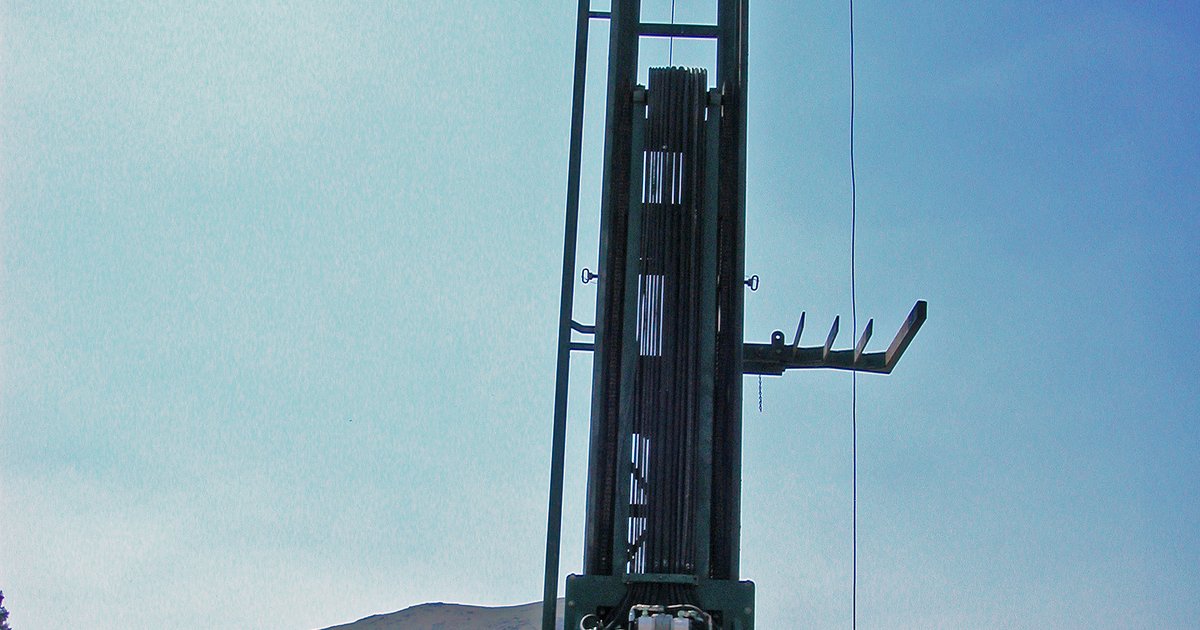
Berlin adopted its city-wide heat plan in June 2026, including a block-by-block shallow geothermal assessment presented by Rüdiger Grimm, chief executive of geoENERGIE Konzept GmbH. The analysis covers approximately 26,000 city blocks, considering borehole heat exchangers at depths from around 100 metres towards 200, 300 and in some cases 400 metres, and combines geology and hydrogeology data with buildings, available open space, heat demand and existing energy infrastructure. Indicative levelised heat costs cluster at roughly €0.35 per kWh, falling to about €0.26 in favourable cases. Germany requires cities with more than 100,000 inhabitants to prepare municipal heat plans, with smaller municipalities following by 2028. Grimm framed the constraint as economic rather than technical, noting that even where something can be done it does not follow that it is economical.
The methodology is the transferable part, and it is a good example of an assessment done at the right resolution. A city-scale heat study could be run as an average, producing a number that is true of Berlin and useless for any particular street. Doing it per block — where the geology, the available drilling space, the building stock and the existing heat network all differ — produces a map that a planning decision can actually use, because the question "should this block go geothermal" has a different answer two streets away. The inclusion of available open space alongside geology is what makes it realistic: shallow geothermal is frequently limited not by what is underground but by whether there is anywhere to put a drilling rig and a borehole field in a dense urban block.
The cost range is the honest part of the presentation. Levelised heat at €0.26 to €0.35 per kWh is not obviously cheap against the alternatives, and quoting it as a range with the constraint stated plainly is more useful than a single favourable number. Grimm's framing — that technical feasibility does not imply economic sense — is the sentence worth carrying into any energy assessment, and it is the reason these studies are worth doing before commitments are made rather than after.
For industrial sites the relevance is direct even outside Germany. Process heat and building heat at industrial premises face the same question, and the same analysis applies at a single-site scale: what is the geology under the site, is there space for a borehole field, what is the actual heat demand profile across a year, and what does the existing supply cost. The critical variable, which this kind of assessment captures and a rule of thumb does not, is the balance between heating and cooling load — a site that both heats and cools can use the ground as seasonal storage and gets far better economics than one that only extracts heat, and that balance is a property of the individual site rather than of the region.